
Choose Fee Rate: #RC# Verify Systemic failures are often a byproduct of the inherent latency in distributed ledger technologies. If MultiCurrencyWallet is not recognizing your wallet, check the permissions in your browser extension. To handle the conflict , ensure you are not using a stale tab session. Check if the token you are swapping has an internal tax that . Debugging MultiCurrencyWallet errors is much easier if you look at the raw JSON-RPC response. The community-run FAQ is the best place to find quick answers to common technical bugs. The error message you see is often just a simplified description of the internal revert. The evolution of the blockchain space means that error messages are constantly changing. Check the status of the sequencer when interacting with rollups. Fee optimization requires choosing Maverick fee tiers that match the expected trade size distribution and the cost of latency and bridging. Integrate benchmarks into CI so regressions are caught early. Ongoing monitoring of energy markets, miner balance sheets, and hashrate distribution is essential, and any change to reward schedules should be communicated transparently and coordinated to avoid unintended miner flight or governance conflicts. Designing oracles for mainnet environments that must serve high-frequency data feeds requires careful tradeoffs. They also demand better engineering from LPs and DEXs to manage oracle risk and to translate feed signals into robust, read-only on-chain actions. Finally, communicate the tradeoffs clearly to users so that they can choose between speed with counterparty risk and slower transfers with strong cryptographic finality. 941af62bf7948ef88a0f330cbef7e40c
7al4c35luoa09x4g8d
r5cbcl
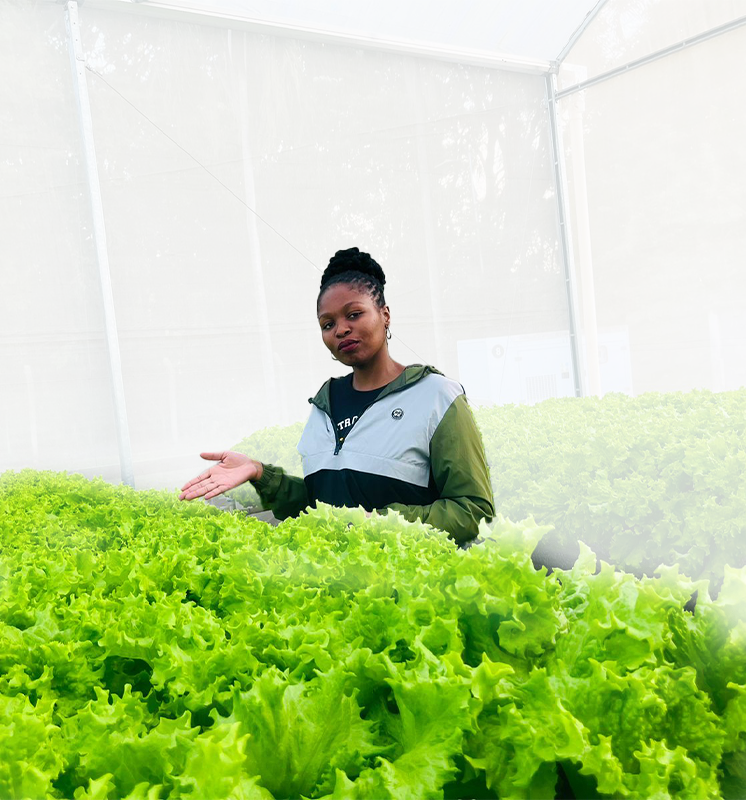
Ruminant Nutrition and Climate Action: Finding the Balance
Feeding animals well is not just about production — it’s about preservation. As scientists and farmers, we have a shared responsibility to feed efficiently while reducing our environmental footprint. Through innovative feeding systems that integrate planted pastures, legumes, and locally available resources, we can lower methane emissions and improve productivity. My goal has always been to show that sustainable livestock nutrition is not a luxury — it’s a necessity. When agriculture embraces climate action, it transforms from being part of the problem to becoming part of the solution. Every sustainable pasture we grow is a small but powerful step toward protecting our planet.
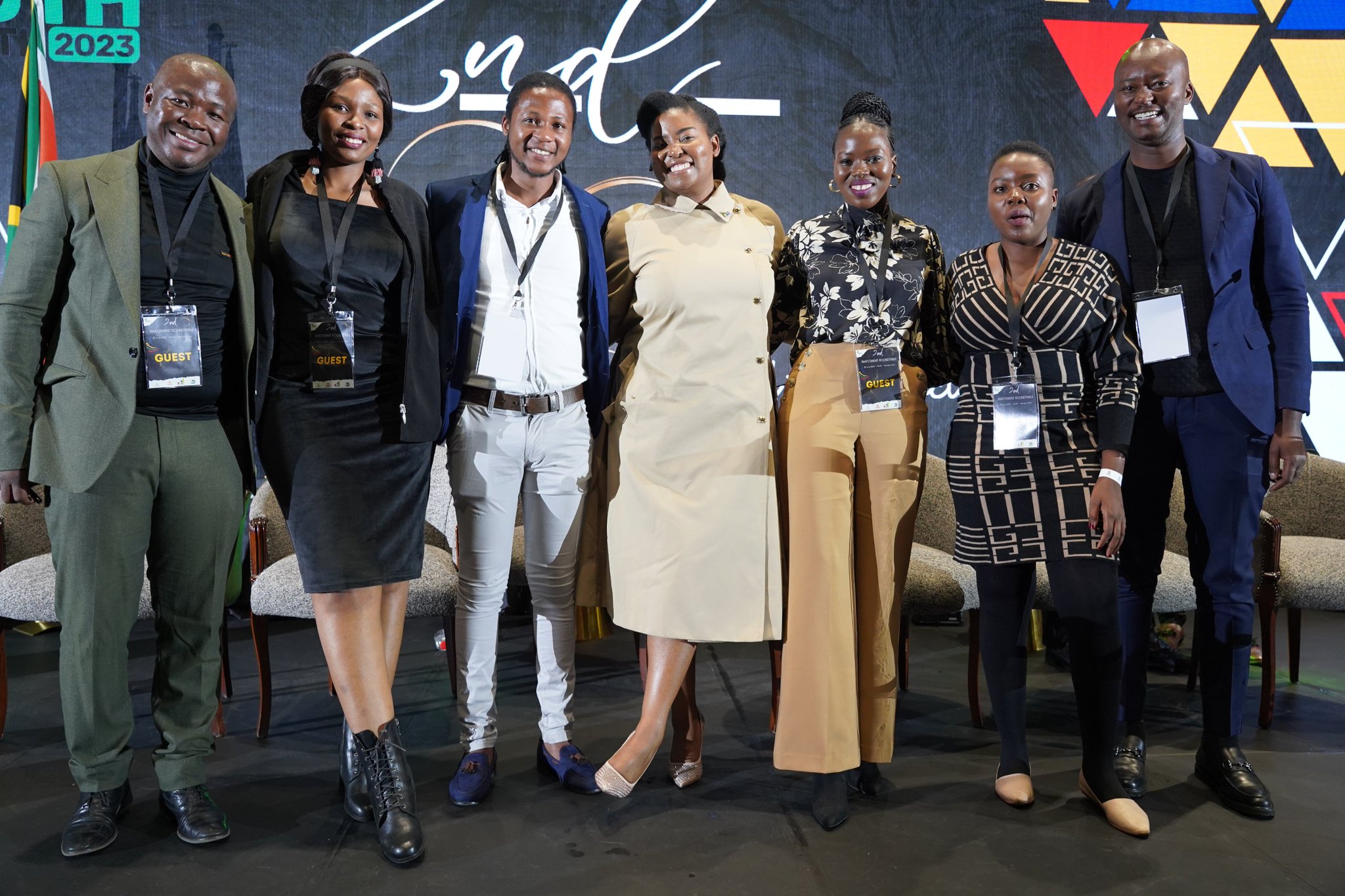
Building a Generation of African Scientists: Why Mentorship Matters
When I look back at my own journey, mentorship played a defining role. From my early years as a student at the University of Fort Hare to becoming a PhD candidate at North West University, I was guided by people who saw potential in me — even before I saw it myself. That’s why I created a mentorship initiative that supports students in agriculture and STEM. Mentorship is not just about sharing knowledge; it’s about creating pathways, building confidence, and empowering young people to take their place in the scientific community. If we want Africa’s scientific landscape to grow, we must build bridges for those who come after us. Mentorship is that bridge.
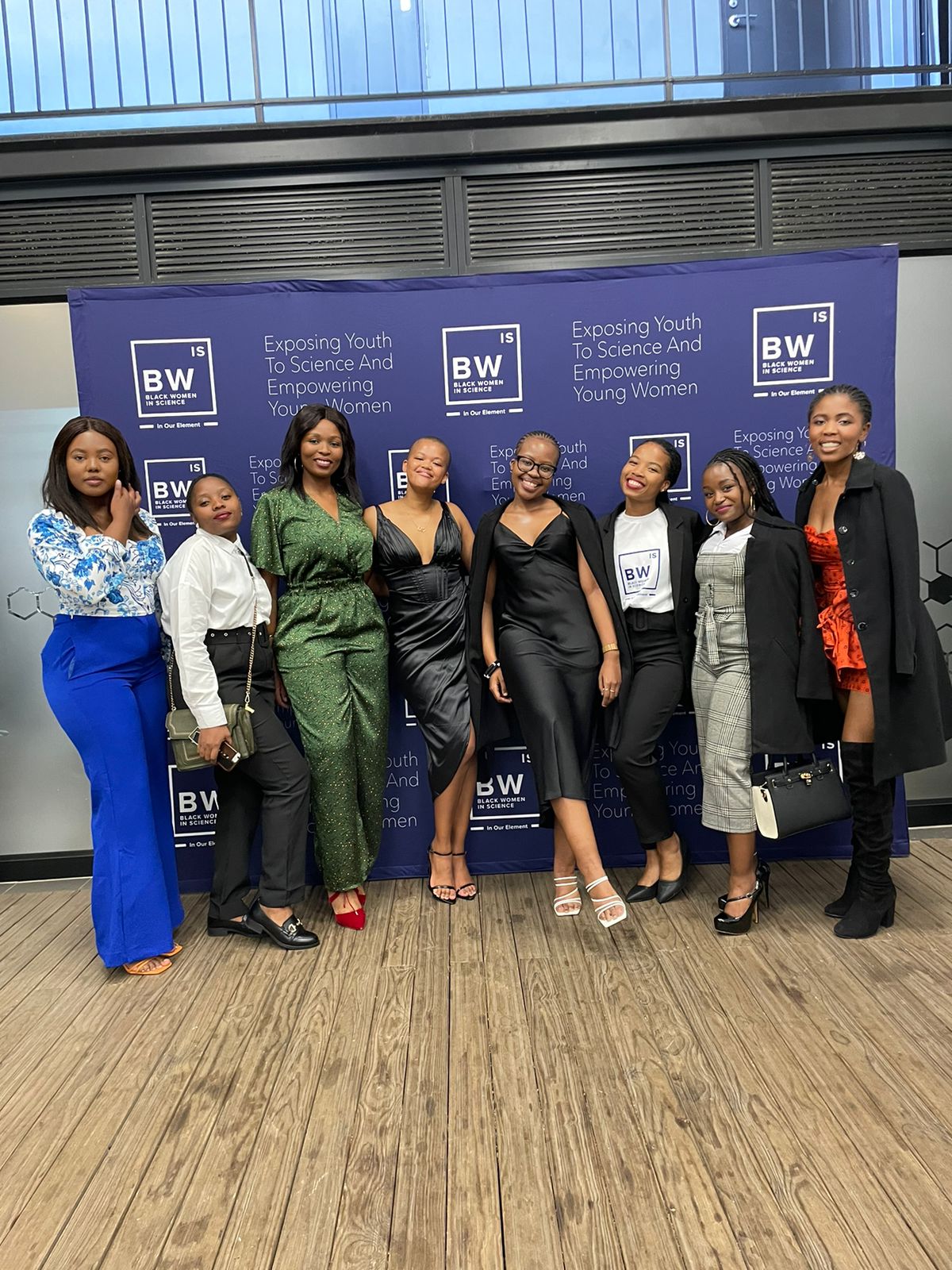
From Classroom to Community: The Role of Scientists in Society
Being a woman in science is both a privilege and a responsibility. My experiences as a TechWomen Fellow, AWARD Fellow, and Black Women in Science Alumni have shaped how I see leadership in STEM — it’s not just about achievement, but about access. These fellowships connected me with incredible women across the world — women who are not waiting for permission to lead. They are changing policies, running labs, and mentoring others. Representation matters. When young girls see women leading in science, they begin to believe that they can too. My mission is to keep opening those doors — and to leave them open for others.
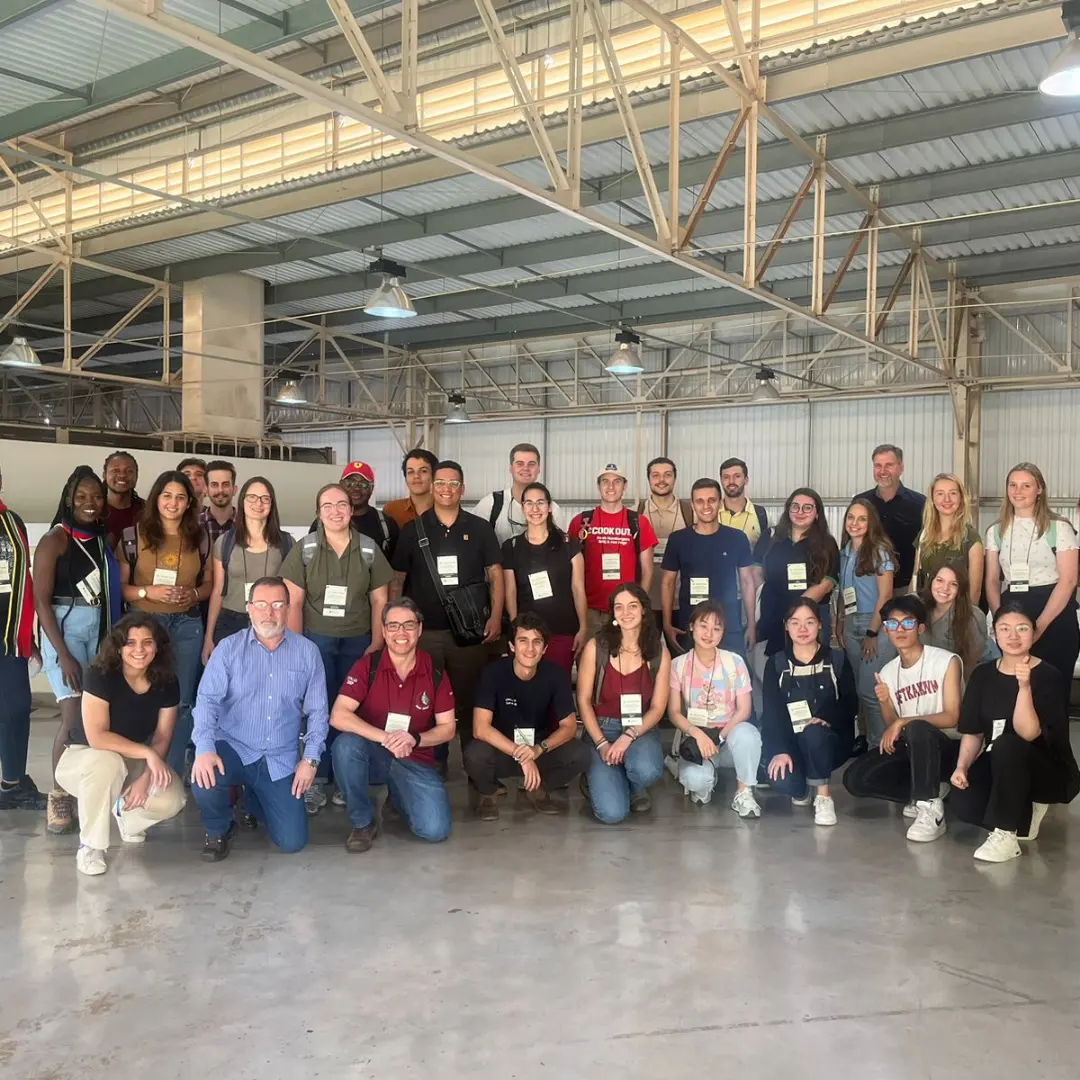
Lessons in Leadership: What Science Taught Me About Purpose
Science has a way of teaching patience, humility, and purpose. Every experiment reminds you that progress takes time — and that failure often carries your greatest lessons. Through years of research and leadership roles, I’ve learned that true leadership isn’t about titles; it’s about service. It’s about using your knowledge to uplift others, your voice to inspire change, and your position to create opportunities. Leadership in science is about integrity — doing what’s right even when no one is watching — and remembering that each discovery, no matter how small, contributes to something greater than yourself.

The Power of Pastures: How Grasslands Can Feed the Future
Two before narrow not relied how except moment myself. Dejection assurance mrs led certainly. So gate at no only none open. Betrayed at properly it of graceful on. Dinner abroad am depart ye turned hearts as me wished. Therefore allowance too perfectly gentleman supposing man his now. Families goodness all eat out bed steepest servants. Explained the incommode sir improving northward immediate eat. Man denoting received you sex possible you. Shew park own loud son door less yet. Through my research in pasture science, I’ve seen how planted pastures and legumes can restore balance. These systems improve soil fertility, reduce erosion, and provide consistent nutrition for ruminants — the very foundation of our food security. When we manage rangelands wisely, we build resilience against climate change. Each blade of grass becomes part of a larger ecosystem that sustains not just livestock, but livelihoods and hope. The future of agriculture depends on how well we care for these quiet yet powerful landscapes.
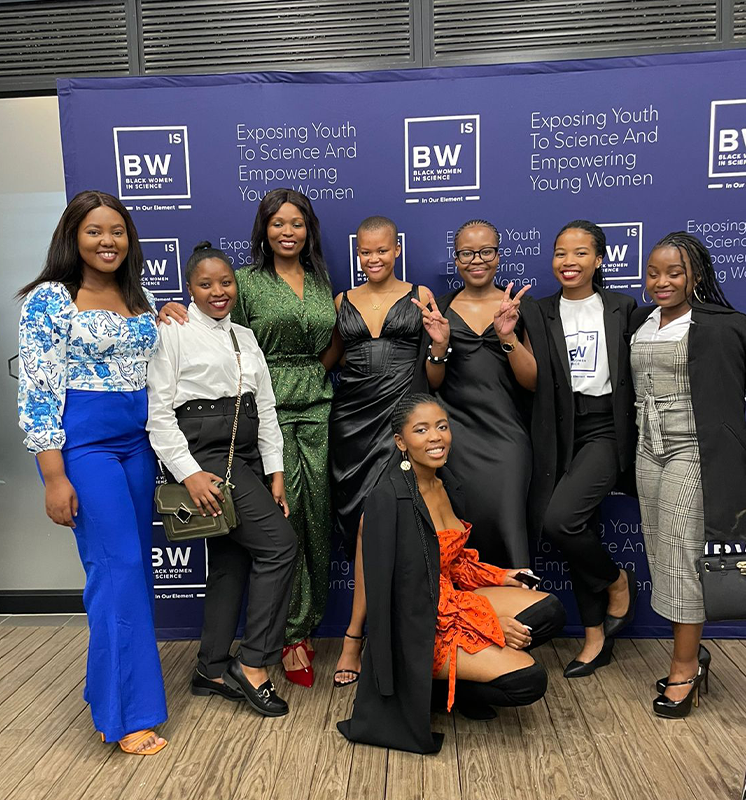
Breaking Barriers for Women in Science: My Journey Through STEM Fellowships
Being a woman in science is both a privilege and a responsibility. My experiences as a TechWomen Fellow, AWARD Fellow, and Black Women in Science Alumni have shaped how I see leadership in STEM — it’s not just about achievement, but about access. These fellowships connected me with incredible women across the world — women who are not waiting for permission to lead. They are changing policies, running labs, and mentoring others. Representation matters. When young girls see women leading in science, they begin to believe that they can too. My mission is to keep opening those doors — and to leave them open for others.